
Raising the bar.
Investing in tomorrow.


Our sustainability strategy is about staying ahead of the curve on global ESG trends. We will continue to innovate – evolving our investment and asset management frameworks, as well as our culture – to deliver value to all stakeholders.
Sandrine Lalmant, Head of Sustainability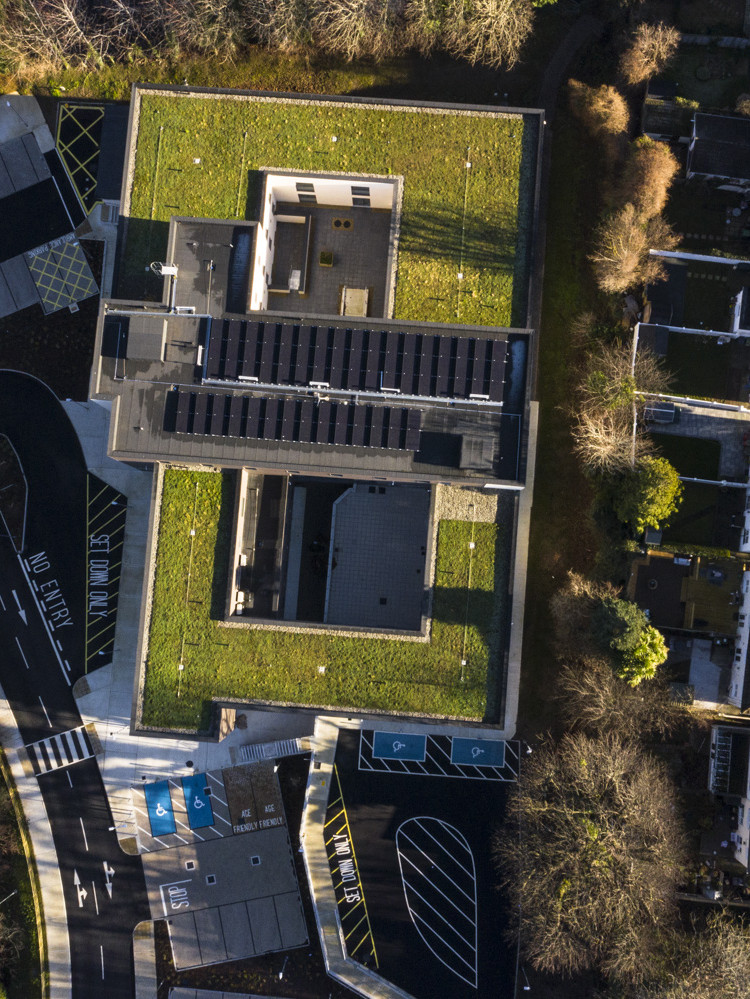
Decarbonising healthcare
Valley Healthcare is a leading developer of primary care centres (PCCs) – energyefficient, purpose-built buildings that create a single location for delivering local,
publicly funded health and social services for Ireland’s Health Service Executive (HSE). PCCs enable healthcare professionals to deliver the highest possible standards of care to their local communities.
Since acquiring Valley Healthcare, John Laing has established a decarbonisation plan that covers the entire portfolio of 31 operational PCCs. It prioritises sites based on current energy efficiency, helping us identify those most in need of targeted carbon-reduction measures. Decarbonisation levers include switching to efficient heat pumps, energy performance retrofits, and installing solar panels on the PCC roofs. We are also planning to electrify water heating
systems where water was heated by oil. Throughout 2023, we improved the energy and emissions performance of two centres. We took advantage of vacant spaces to improve their Building Energy Rating (BER) through boiler upgrades, insulation improvements, and the replacement of windows and doors.
Recognising the fundamental role renewable energy will play in achieving net zero, we have partnered with HSE to install on-site renewable energy generation infrastructure; we also switched a fifth of centres that were on a standard tariff over to renewable tariffs.
Accelerating green innovation in steel
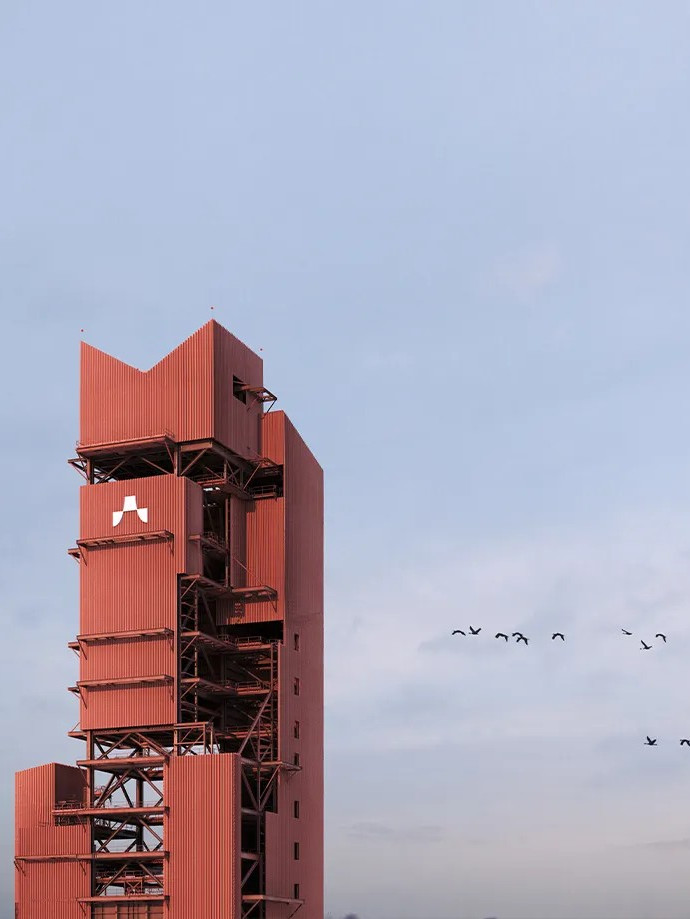
John Laing has entered an exciting partnership with Stegra (formerly H2 Green Steel) and Aquatech to develop the water treatment plant (WTP) required
to help operate what will be the world’s first large scale green hydrogen steel plant. Stegra aims to accelerate steel decarbonisation by using green hydrogen – hydrogen produced by renewably powered electrolysis. To date the project has secured about €6.5 billion of funding for a large-scale green steel plant in Boden, Northern Sweden. The site will produce steel with up to 95 per cent lower CO2 emissions compared to steel made with traditional coke-fired blast furnaces. The plant will produce 5 million tonnes of green steel annually by 2030.
The WTP will supply demineralised water to the plant’s electrolysers as well as purified water for system cooling. In addition to treating wastewater from the steel mill with near-zero liquid discharge to preserve biodiversity, the WTP is powered entirely by renewable energy. This significant, long-term investment strengthens John Laing’s position as the first sole sponsor and equity investor in critical ancillary infrastructure services for a large-scale green hydrogen steel plant.
Enabling electrification
With global energy demands rising steadily, the need for more sustainable energy solutions that support a low-carbon future has never been clearer. To enable
this energy transition, electricity transmission networks must be upgraded for reliability, resilience, and capacity.
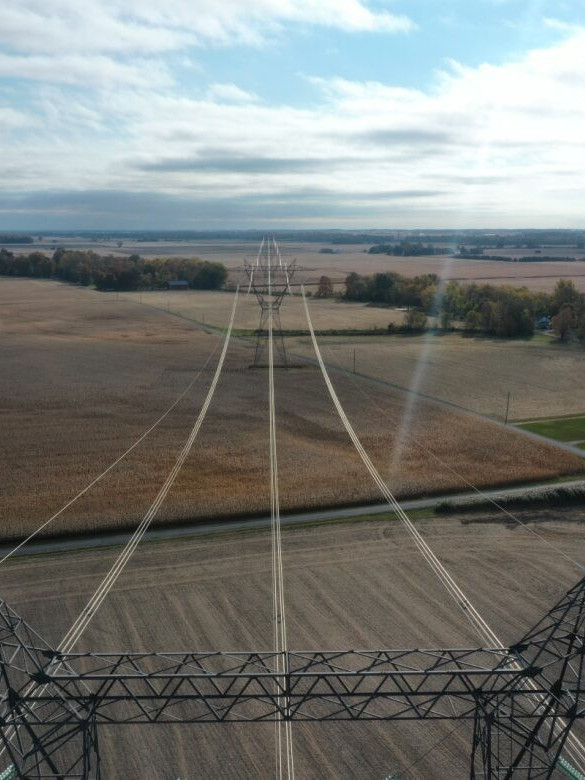
During 2023, we acquired Hornsea 2 Offshore Transmission Owner (OFTO), the transmission assets that links one of the world’s largest windfarms to the UK grid. It’s an exciting acquisition and one that marked our entry into the electricity transmission sector. In April 2024, we also agreed to acquire a 50 per cent equity interest in Pioneer Transmission, a 42.5-mile transmission line in Indiana.
By investing in Hornsea 2 and Pioneer Transmission, we’re not only expanding our portfolio of climate solutions; we’re also advancing an infrastructure network that can support a reliable, scalable supply of lower-carbon electricity to meet the demands of today and the future.
A hospital for a healthy environment
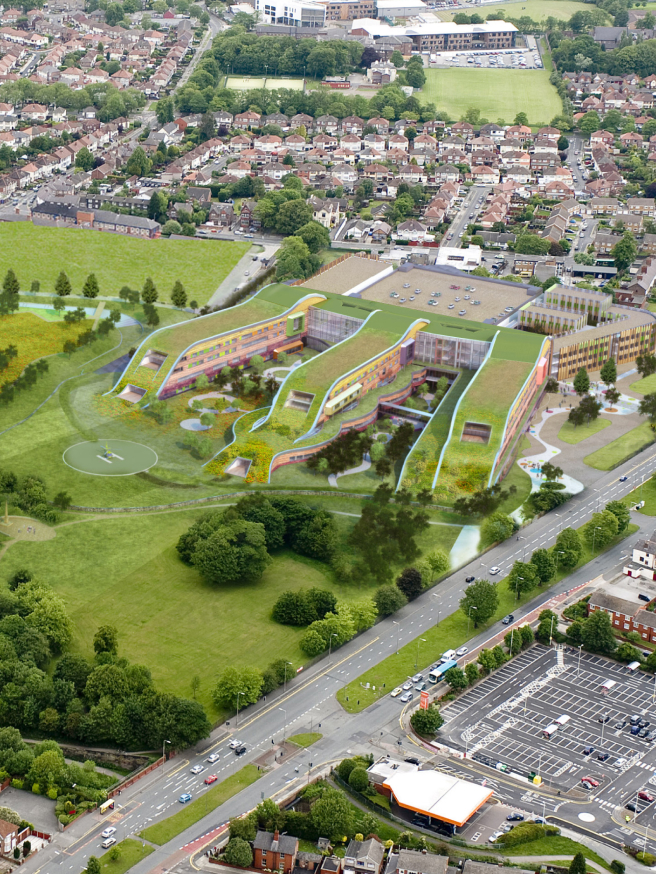
In the UK, Liverpool’s Alder Hey Children’s Hospital was designed as a ‘hill in the park’, with its green roof adding insulation to the building and most rooms benefiting from a view of the adjacent park.
Providing care for more than 270,000 children every year, it is among the most sustainable hospitals ever built. It uses a ground source heat pump, combined cooling, heat and power generation via an absorption chiller, air source heat pumps and photovoltaic panels, generating 60 per cent of its energy on site.
John Laing played a leading role in a consortium that financed and built the hospital, which opened its doors in October 2014, and we remain a long-term and active supporter of the hospital and its charity.
The hospital has a Green Plan that aims to reduce its carbon footprint, enable more energy efficient travel options and reduce waste. Its facilities and estate department are implementing decarbonisation initiatives that include use of energy-saving software, water and operations optimisation, and a shift to LED lighting.